

Trending now
Supreme Court’s Interim Order Reshapes Mumbai’s Cluster Redevelopment Debate
A Legal Pause with Citywide Implications
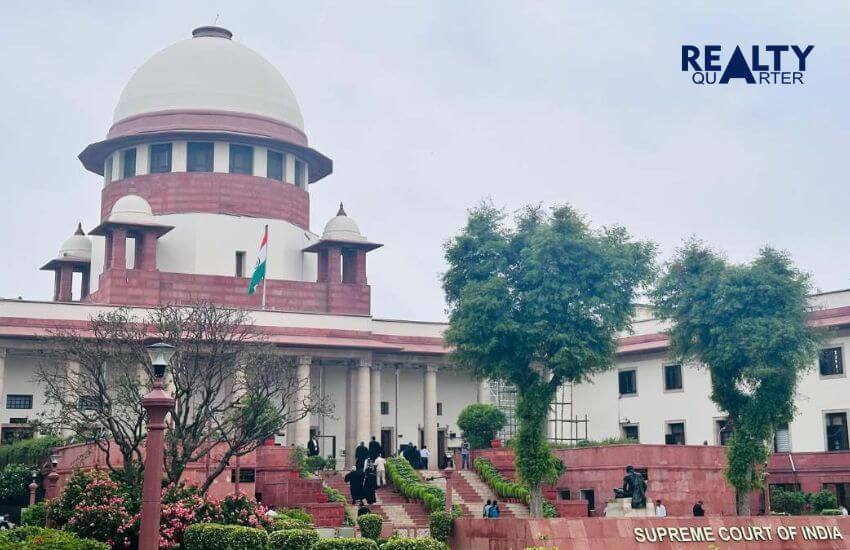
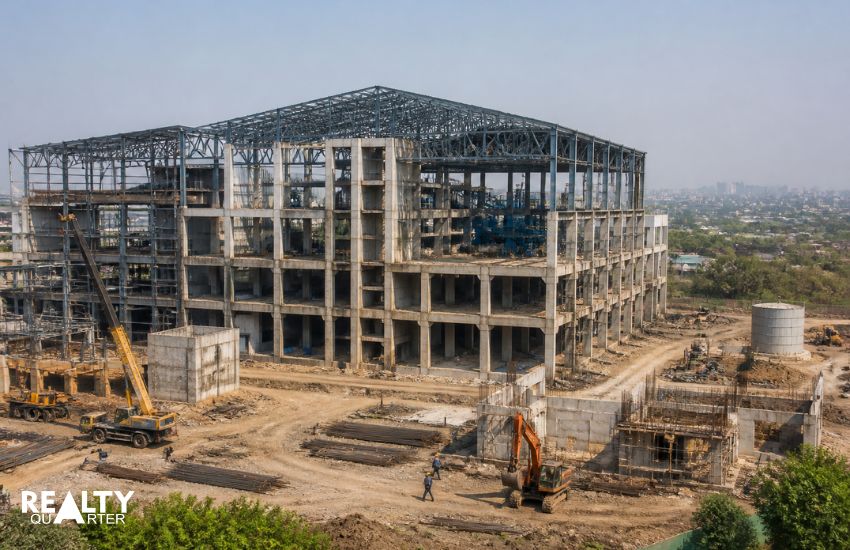
When a redevelopment project spanning 132 acres in two of Mumbai’s most valuable neighbourhoods reaches the Supreme Court, its impact extends far beyond the societies directly involved. The outcome has the potential to shape the legal interpretation of redevelopment rights, influence future urban renewal policies, and redefine the implementation of cluster redevelopment projects across the city. Against this backdrop, the Supreme Court’s interim order restraining the issuance of work orders for the Bandra Reclamation and Worli cluster redevelopment until August 13 has emerged as one of the most significant developments in Mumbai’s real estate sector this year.
Mumbai’s ambitious cluster redevelopment plans for Bandra Reclamation and Worli have entered a crucial legal phase after the Supreme Court directed that no work orders be issued until August 13. While the order is interim in nature, it carries significant implications for one of the city’s most closely watched redevelopment initiatives, covering 132 acres of prime land.
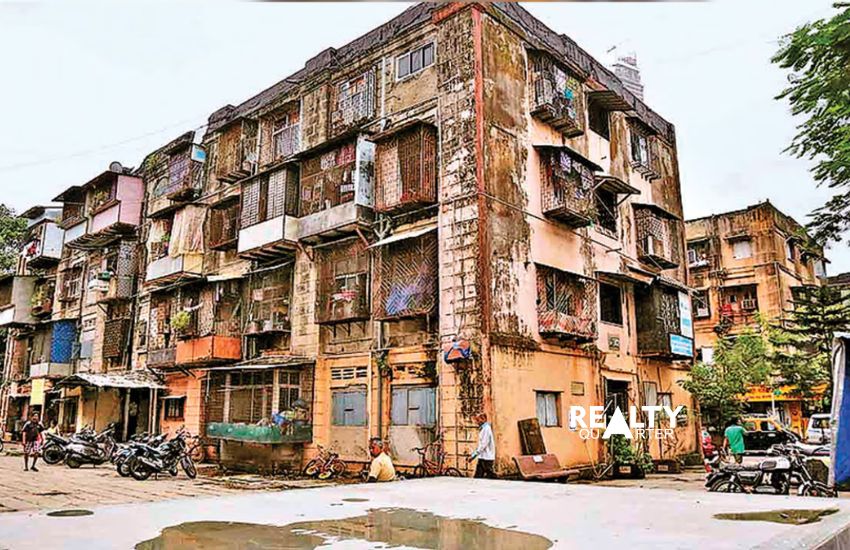
The redevelopment proposal aims to transform ageing housing layouts while increasing the city’s affordable housing stock. However, residents of several cooperative housing societies have questioned the legal validity of the government’s decision, resulting in the matter reaching the country’s highest court.
The Dispute at a Glance
The Maharashtra Government has proposed a cluster redevelopment model for layouts owned by the Maharashtra Housing and Area Development Authority (MHADA). According to the State, these lands were leased to cooperative housing societies and government employees several decades ago. Through an integrated redevelopment approach, the government aims to modernise ageing housing stock while creating additional affordable housing.
The redevelopment rights were awarded through a public bidding process, with Adani Properties emerging as the successful bidder.
However, a group of cooperative housing societies has challenged the government’s decision, contending that the lands had already been conveyed to them and that their ownership rights cannot be altered merely through a Government Resolution (GR).
Supreme Court’s Interim Order
After hearing submissions from both sides, the Supreme Court directed that no work order shall be issued until the next hearing scheduled for August 13.
The Court observed:
“Till then, the work order shall not be issued.”
The Bench further directed the State Government, MHADA and other respondents to file their replies within one week, following which the petitioning societies may file their rejoinders.
Background of the Litigation
Earlier, on July 2, the Bombay High Court dismissed the petitions filed by the housing societies, holding that the State’s redevelopment policy serves a larger public interest.
The High Court observed that the rights of allottees and lessees remain subject to MHADA’s authority over the land. It also accepted the State’s argument that allowing individual societies to independently redevelop isolated buildings through private developers would undermine the larger policy framework envisaged under Regulation 33(5).
Aggrieved by the High Court’s decision, the housing societies approached the Supreme Court by filing Special Leave Petitions (SLPs).
Arguments Before the Apex Court
The petitioning societies argued that even where the government is the lessor, it cannot resume possession of leased land in the absence of any breach of lease conditions. They further contended that if the land is required for a public purpose, the leasehold interest must first be acquired under the applicable land acquisition laws.
The State, on the other hand, maintained that an integrated cluster redevelopment policy is essential to achieve planned urban renewal, optimise land utilisation and expand affordable housing. It also argued that permitting isolated redevelopment by individual societies would defeat the broader planning objectives envisioned under the policy.
Why the Case Matters
This litigation extends beyond a single redevelopment project. Its outcome is expected to influence how redevelopment rights over leased MHADA lands are interpreted, how public interest is balanced against individual property rights, and how future cluster redevelopment projects are planned and executed across Mumbai.
For now, the redevelopment process remains on hold until the Supreme Court hears the matter again on August 13. The Court’s eventual decision is expected to provide much-needed legal clarity for all stakeholders involved in large-scale urban redevelopment.
Closing Insights
Mumbai’s redevelopment journey is entering a phase where legal certainty is becoming as important as urban planning. The Bandra–Worli dispute underscores the need to balance redevelopment objectives with the legitimate rights and expectations of existing residents.
The Supreme Court’s final verdict will not only determine the future of this 132-acre project but is also likely to establish an important legal benchmark for redevelopment policies across Maharashtra. For developers, housing societies, policymakers and investors alike, the decision will be closely watched as it could shape the next chapter of Mumbai’s redevelopment landscape.
By Sana Khan
Executive Editor
Realty Quarter
Mumbai






Our Esteem Clients:



























































Channel Partner Associations:





















Our Partners:


















Our Supporters: