
Trending now
MHADA’s Old Colonies Could Become Mumbai’s Biggest New Housing Pipeline
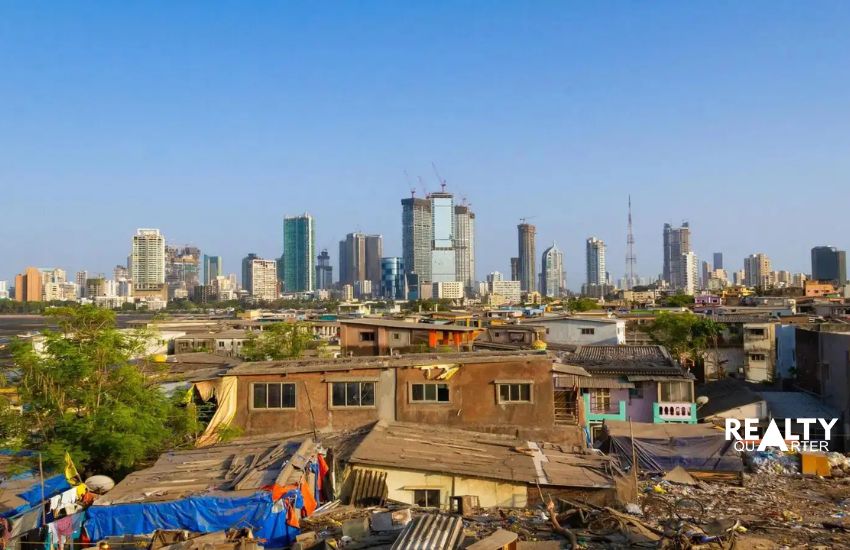
925 acres across 11 redevelopment projects could generate thousands of rehabilitation and MHADA homes, turning ageing colonies into a major source of future housing
MUMBAI: Mumbai’s next major source of housing may already exist within the city — in the form of its ageing MHADA colonies.
The Maharashtra Housing and Area Development Authority’s (MHADA) redevelopment programme has emerged as a potentially significant new housing pipeline. According to a June 2026 report by The Economic Times, quoting MHADA Vice President and CEO Sanjeev Jaiswal, the authority’s redevelopment programme covers around 925 acres across 11 projects and could attract nearly ₹4 lakh crore in investment. The programme is expected to facilitate around 75,000 rehabilitation tenements and nearly 30,000 MHADA housing units, along with a saleable component for private developers.
The scale is significant for a city where large, undeveloped land parcels are increasingly difficult to find in established neighbourhoods. Redevelopment offers another route to creating housing — using land that is already part of Mumbai but occupied by ageing buildings.
From Individual Buildings to Entire Colonies
The redevelopment model is also changing.
In November 2025, the Maharashtra Cabinet approved a policy for group redevelopment of MHADA colonies covering 20 acres or more. The policy allows larger layouts to be considered as integrated redevelopment projects rather than treating every building separately, The Indian Express reported.
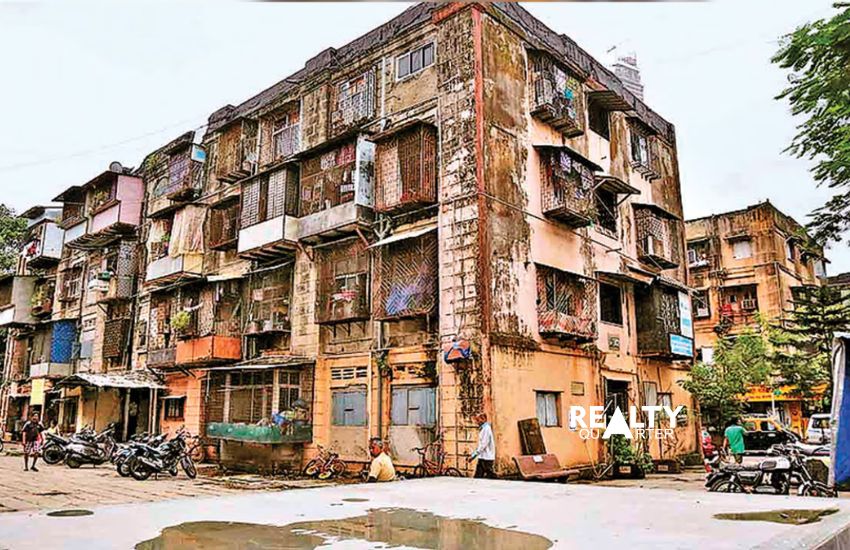
The significance becomes clearer when viewed against MHADA’s history. According to officials cited by The Indian Express, MHADA’s Mumbai division constructed 56 housing colonies between 1950 and 1960, comprising nearly 5,000 cooperative housing societies for middle- and lower-income groups.
Many of these colonies are now several decades old. Their redevelopment could therefore become an important part of Mumbai’s next phase of urban renewal.
Major Projects Are Moving Forward
The current pipeline includes several significant redevelopment opportunities.
MHADA has opened bids for major cluster projects including Adarsh Nagar in Worli, Bandra Reclamation and Sardar Vallabhbhai Patel Nagar in Andheri West, according to The Economic Times.
Progress is also visible at the project level.
At GTB Nagar, MHADA reported in March 2026 that the tripartite development agreement had been completed and a Construction-cum-Development Agreement had been signed, taking the cluster redevelopment project forward.
At Abhyudaya Nagar in Kalachowki, MHADA issued a Letter of Acceptance to a developer in May 2026 for the cluster redevelopment project.
These project updates have been reported by MHADA on its official website.
Rehabilitation Remains at the Centre
The reported pipeline of approximately 75,000 rehabilitation tenements means existing residents remain central to the redevelopment process.
For residents, redevelopment can involve temporary accommodation, rent arrangements, shifting and the eventual handover of replacement homes.
MHADA’s redevelopment documents for Abhyudaya Nagar contain provisions relating to residents and transit arrangements, demonstrating the importance of rehabilitation within the redevelopment framework.
The success of these projects will therefore depend not only on construction activity but also on whether residents receive the rehabilitation homes promised to them under the applicable agreements and regulations.
Will Redevelopment Make Mumbai More Affordable?
This is one of the biggest questions surrounding the redevelopment push.
Redevelopment can increase the amount of built-up space on valuable urban land. But additional construction does not automatically mean additional affordable housing.
A project can contain rehabilitation homes, MHADA housing and market-rate housing, depending on the applicable development framework and project structure.
For Mumbai’s housing market, the important measure will therefore be how much genuinely additional housing is delivered, which income groups it serves and whether the new MHADA component expands access for households that cannot afford market-rate homes.
A New Land Bank Within an Old City
Mumbai’s housing debate has traditionally focused on the shortage of developable land.
Redevelopment changes that equation.
The land already occupied by old MHADA colonies could become an important source of future housing without requiring the city to expand outward. Roads, open spaces, amenities and infrastructure can potentially be redesigned along with the housing itself.
But this transformation also carries a public-housing responsibility.
MHADA’s original colonies were created to address the housing needs of middle- and lower-income households. Their redevelopment should therefore be measured not only by investment value or additional construction, but by the number of residents rehabilitated, the number of new MHADA homes actually delivered and the accessibility of those homes to the intended income groups.
Mumbai’s old housing stock may now be becoming one of its most important real-estate assets.
The question is whether this vast redevelopment pipeline can turn ageing colonies into completed homes and, ultimately, add meaningful new housing supply to Mumbai.
Tags: 11 MHADA redevelopment projects, 30000 MHADA housing units, 75000 rehabilitation tenements, 925 acres MHADA redevelopment, Abhyudaya Nagar redevelopment, Adarsh Nagar Worli redevelopment, Affordable housing Mumbai, ageing colonies Mumbai, Bandra Reclamation redevelopment, group redevelopment policy Maharashtra, GTB Nagar redevelopment, Kalachowki redevelopment, MHADA cluster redevelopment, MHADA colonies Mumbai, MHADA colonies redevelopment, MHADA group redevelopment, MHADA housing Mumbai, MHADA redevelopment, MHADA redevelopment projects 2026, Mumbai housing pipeline, Mumbai housing supply, Mumbai redevelopment, Mumbai residential real estate, rehabilitation homes Mumbai, Sardar Vallabhbhai Patel Nagar redevelopment, ₹4 lakh crore investment




Our Esteem Clients:














































Channel Partner Associations:


















Our Partners:















Our Supporters: