
Trending now
Insolvency Route Brings Stalled Housing Projects Back Into Focus
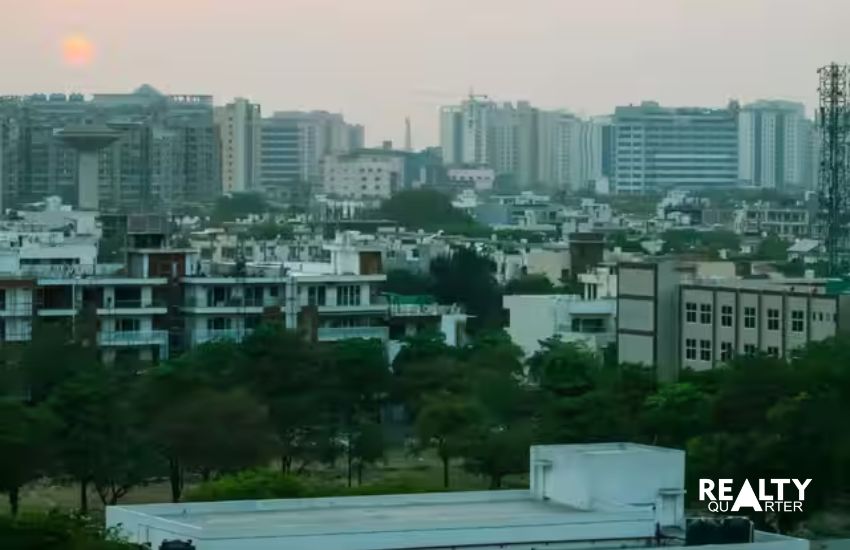
India’s insolvency system is emerging as an important route for restarting residential projects that have been held up by financial or operational difficulties. More than 1.4 lakh homebuyers have moved closer to getting their homes through resolutions under the Insolvency and Bankruptcy Code (IBC), according to The Economic Times, citing PTI.
The real estate sector has accounted for a sizeable portion of insolvency proceedings, with 553 cases admitted under the IBC. Together, these cases involve close to 2.5 lakh homebuyers.
Resolution Still Has a Long Way to Go
The available data shows that only a portion of the cases admitted so far have reached a successful resolution. Around 17% have been resolved, leaving a large number of projects and buyers within the insolvency process.
About 1.1 lakh homebuyers linked to 221 cases are still waiting for their respective matters to be resolved.
The financial value involved is substantial. Projects that have progressed through resolution account for nearly ₹84,000 crore, while approximately ₹65,000 crore is connected to cases that remain unresolved.
New Developers Provide a Fresh Route
One of the outcomes of the insolvency process has been the entry of new developers into projects that were unable to progress under their earlier promoters.
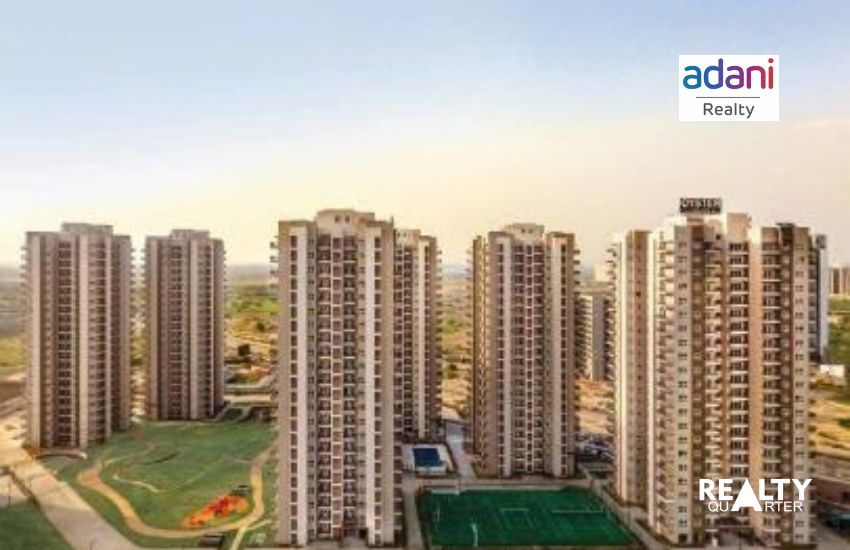
Companies such as Adani Realty and Lodha have taken on distressed developments through insolvency proceedings, bringing fresh financial and development resources into projects that had faced prolonged delays.
Mumbai’s Take Ten BKC is among the projects cited in this context. Adani Realty took over the development following an NCLT-led resolution process and has committed more than ₹1,000 crore towards completing the project.
What It Means for the Housing Market
The resolution of stalled developments can have an impact beyond individual homebuyers. Restarting construction can put unfinished housing inventory back into the market, unlock capital tied up in incomplete projects and create opportunities for new developers to complete developments that had remained inactive.
At the same time, the number of unresolved cases shows that insolvency proceedings can be a lengthy process. For thousands of buyers still awaiting outcomes, the pace at which these cases are resolved will remain a key factor in determining when construction can resume and possession can eventually take place.
Source: The Economic Times, citing PTI, September 25, 2026.
Tags: 1.1 lakh homebuyers pending, 1.4 lakh homebuyers resolution, 2.5 lakh homebuyers, 221 unresolved cases, 553 insolvency cases, Adani Realty insolvency projects, Adani Realty Take Ten BKC, distressed real estate projects, home possession delays, homebuyer insolvency cases, IBC stalled housing projects, Insolvency and Bankruptcy Code real estate, insolvency resolution real estate, Lodha distressed projects, NCLT real estate cases, NCLT resolution process, real estate insolvency India, real estate resolution India, stalled housing projects Mumbai, stalled residential projects, Take Ten BKC, ₹65000 crore unresolved cases, ₹84000 crore resolved projects






Our Esteem Clients:


























































Channel Partner Associations:





















Our Partners:


















Our Supporters: