

Trending now
Maharashtra Govt Moves Supreme Court Over 254-Acre Mira-Bhayander Land Dispute
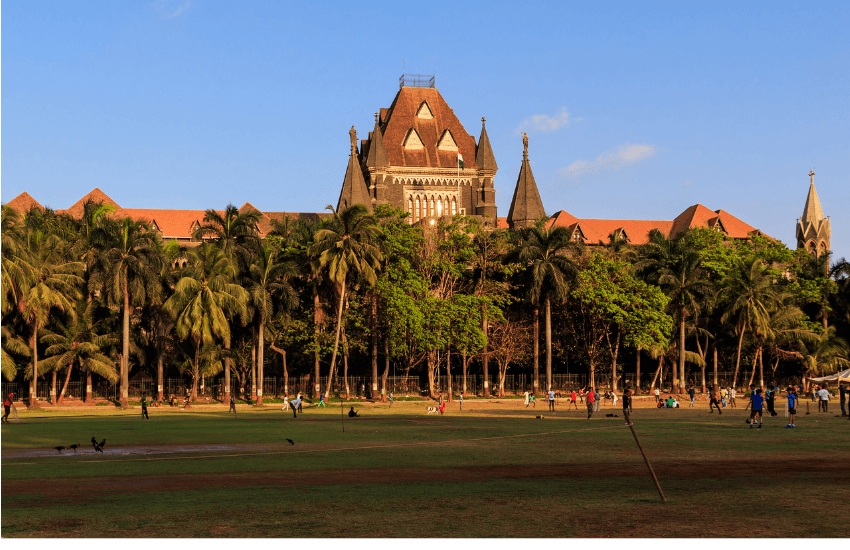
One of the Mumbai Metropolitan Region’s most strategically significant land disputes is now heading towards a larger constitutional battle, as the Maharashtra government prepares to challenge the Bombay High Court’s order over nearly 254.88 acres of land in Mira-Bhayander.
The high-value land parcel, located within one of MMR’s fastest-transforming urban corridors, has triggered a major legal confrontation involving the Maharashtra government, private developers, and the Centre’s Salt Department. With infrastructure expansion rapidly pushing land valuations upward across the western suburbs, the outcome of the case could carry implications far beyond a single ownership dispute.
Revenue Minister Chandrashekhar Bawankule confirmed that the state government will file a Special Leave Petition before the Supreme Court against the Bombay High Court verdict dated April 30.
“The land belongs to the state government. We will strongly present the government’s side before the Supreme Court and ensure the land remains in government possession,” Bawankule stated.
According to the state government, the ownership dispute dates back several decades and revolves around alleged irregularities in revenue records. Authorities claim that changes were introduced into official land records from 1948 onwards without prior government approval. The government alleges that the names of Estate Investment Company and later Mira Salt Works were incorporated into the records illegally.
Officials further stated that in 1958, the Centre’s Salt Department was added to the records because of salt pan activities being carried out on the land. The dispute eventually reached the Supreme Court, which directed the matter to be examined before the Thane district collector.
In 2002, the district collector reportedly rejected the claim of Mira Salt Company and ordered that the land vest with the government. However, in 2019, the companies along with the Centre’s Salt Commissioner challenged the order before the Bombay High Court through a first appeal.
The High Court later ruled in favour of the private entities, holding that the land belonged to Mira Salt Works. The Maharashtra government has now questioned both the verdict and the legal maintainability of the first appeal under which the matter was adjudicated.
Referring to Section 29(3)(c) of the Maharashtra Land Revenue Code, 1966, the government reiterated that the land legally belongs to the state and that it will pursue all available legal remedies before the apex court.
What makes the dispute particularly significant is the strategic importance of the land parcel itself. Mira-Bhayander has emerged as a rapidly developing urban cluster within the Mumbai Metropolitan Region, driven by metro expansion, infrastructure upgrades, coastal connectivity, and increasing residential demand.
As large land banks become increasingly scarce across MMR, disputes involving legacy ownership records and salt pan lands are gaining enormous commercial significance. Industry experts believe the final verdict could influence future redevelopment frameworks, land monetisation strategies, and policy interpretation involving government-controlled urban land assets.
The Supreme Court proceedings are therefore expected to be closely monitored not only by legal experts but also by developers, investors, and policymakers tracking the future direction of land governance in Maharashtra.
Insights
The Mira-Bhayander land dispute reflects the growing intersection of urban expansion, historical ownership claims, and government control over high-value land assets. As infrastructure growth transforms peripheral regions into major investment corridors, legal battles surrounding legacy land records are becoming increasingly significant within Maharashtra’s real estate ecosystem.
Beyond the courtroom, the final verdict could shape the future interpretation of salt pan ownership, government vesting rights, and redevelopment policy across the Mumbai Metropolitan Region. In many ways, this case may emerge as one of the defining urban land disputes influencing the next phase of MMR’s real estate evolution.
By Sana khan
Executive Editor, Realty Quarter
Mumbai







Our Esteem Clients:



























































Channel Partner Associations:





















Our Partners:


















Our Supporters: