

Trending now
Labour crunch slows Mumbai’s realty momentum
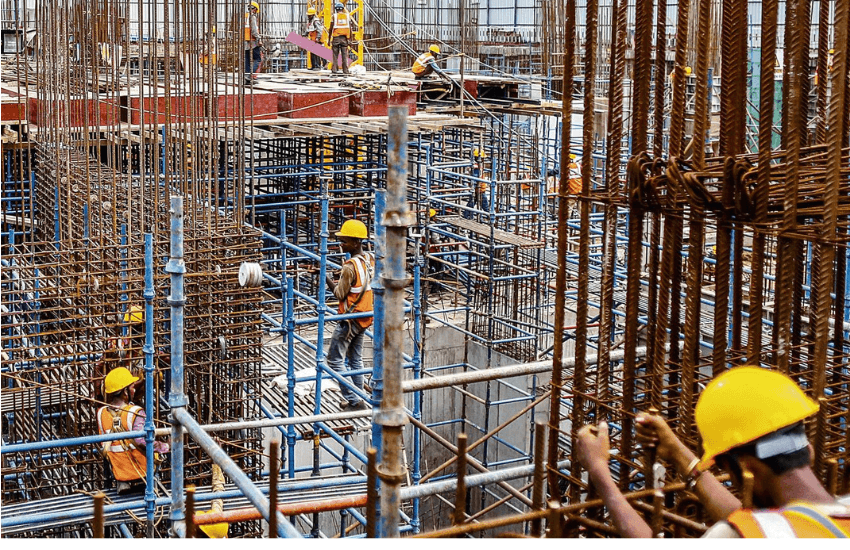
Mumbai’s real estate sector is entering a phase where execution has become as critical as approvals and funding. Across the city, developers are facing mounting pressure due to labour shortages, rising construction expenses and interruptions in material supply chains. What initially appeared to be a temporary disruption is now beginning to reflect deeper structural concerns within the industry.
The backbone of Mumbai’s construction ecosystem has traditionally depended on skilled labour from states such as West Bengal, Odisha, Uttar Pradesh and Bihar. However, shifting economic opportunities and reverse migration trends have reduced the availability of experienced workers on project sites. The impact is visible not only in construction speed but also in finishing quality, execution timelines and delivery commitments.
At the same time, global geopolitical tensions have triggered sharp increases in fuel and logistics costs, creating a ripple effect across the construction sector. Developers are now dealing with a 25-30 per cent rise in construction-related expenses, including labour and raw materials. Since construction itself contributes nearly 30-35 per cent to the total cost of a project, the pressure on project viability has intensified significantly.
The disruption in Gujarat’s Morbi ceramic cluster has further added to the challenge. Factory shutdowns and reduced production capacities have created shortages in tiles and finishing materials that are essential during the final stages of construction. Industry experts believe these supply-side disturbances are not isolated events but indicators of how vulnerable the sector remains to external economic shocks.
“As migrant workers exit construction sites in large numbers and global conflicts disrupt fuel supply chains and material availability, developers are being hit from both ends. The twin shocks are not just squeezing execution; they are fundamentally reshaping project viability, pushing construction costs higher and leaving the property market on edge,” said Vishal Ratanghayra, founder and CEO of Platinum Corp.
“Construction accounts for 30-35 per cent of a project’s cost. A 25-30 per cent rise in construction costs — including materials and labour — can push overall project costs up by at least 10 per cent,” he said, adding that the increase will ultimately be passed on to buyers unless developers absorb the hit to already thin margins.
Parthh Mehta, chairman and managing director of Paradigm Realty, said, “This isn’t a slowdown on paper — it’s a daily on-site challenge. Reverse migration from West Bengal, Odisha, Uttar Pradesh and Bihar has reduced 15-20 per cent of our skilled workforce, eroding not just numbers but critical expertise in finishing trades. In luxury housing, that loss impacts precision, pace and confidence in delivery timelines.”
“At the same time, the West Asia conflict has doubled propane costs, forcing over 400 Morbi factories to shut and turning tile and ceramic supplies from reliable to scarce. Prices have already risen by Rs 2-Rs 3 per square foot, with a 20-30 per cent increase expected once production resumes,” he added.
Industry leaders believe the present situation may eventually reshape how developers approach project planning and execution. Stronger forecasting models, supply diversification and better labour retention strategies may no longer remain optional but become necessary survival measures for the sector.
“These twin pressures — labour shortages and material disruptions — are straining timelines and cost buffers. With labour accounting for nearly a third of project costs, the impact is significant. Ultimately, buyers bear the brunt, often juggling rent and EMIs while awaiting delayed possession,” he said.
Mayur Shah, the vice-chairman of Marathon Nextgen Realty, said workforce shifts, factory shutdowns and rising costs could lead to delays and regulatory extensions similar to those seen during the Covid-19 pandemic.
“Developers need sharper forecasting and execution. While margins may tighten, well-capitalised players are better placed to protect timelines and sustain buyer confidence,” he said.
Prashant Khandelwal, joint secretary of CREDAI-MCHI and director and Chief Executive of Agami Realty, echoed the concern, saying the combined impact of labour shortages and cost escalation is putting sustained pressure on realty project delivery and profitability.
For Mumbai’s housing market, the concern today is no longer limited to demand and sales velocity. The larger question now revolves around execution capacity. In a city where redevelopment and infrastructure-led growth drive the future of housing, delays in labour availability and construction supply chains could redefine pricing, delivery timelines and buyer expectations in the months ahead.
Insights
Mumbai’s real estate sector has survived financial slowdowns, policy transitions and even a pandemic, but the present challenge is different because it directly affects execution at the ground level. Labour shortages and rising construction costs are no longer isolated operational hurdles; they are emerging as long-term structural risks for the industry.
The coming months will test how efficiently developers can balance delivery commitments, project costs and buyer confidence. While financially strong and organised developers may still manage timelines through better planning and procurement strategies, smaller players could face increasing pressure on margins and execution capabilities.
For homebuyers, the impact may be visible through delayed possession timelines, rising property prices and extended financial burdens in the form of simultaneous rent and EMI payments. The sector now requires not just demand generation, but stronger workforce management, supply-chain resilience and execution discipline to sustain momentum.
Mumbai’s growth story has always been closely linked with construction and redevelopment. However, unless labour stability and material supply disruptions are addressed proactively, the city’s real estate momentum may continue to face execution bottlenecks despite strong market demand.
By Sana khan
Executive Editor, Realty Quarter
Mumbai







Our Esteem Clients:



























































Channel Partner Associations:





















Our Partners:


















Our Supporters: