

Trending now
Air India Building Deal Signals Strategic Shift in Mumbai’s Administrative Core
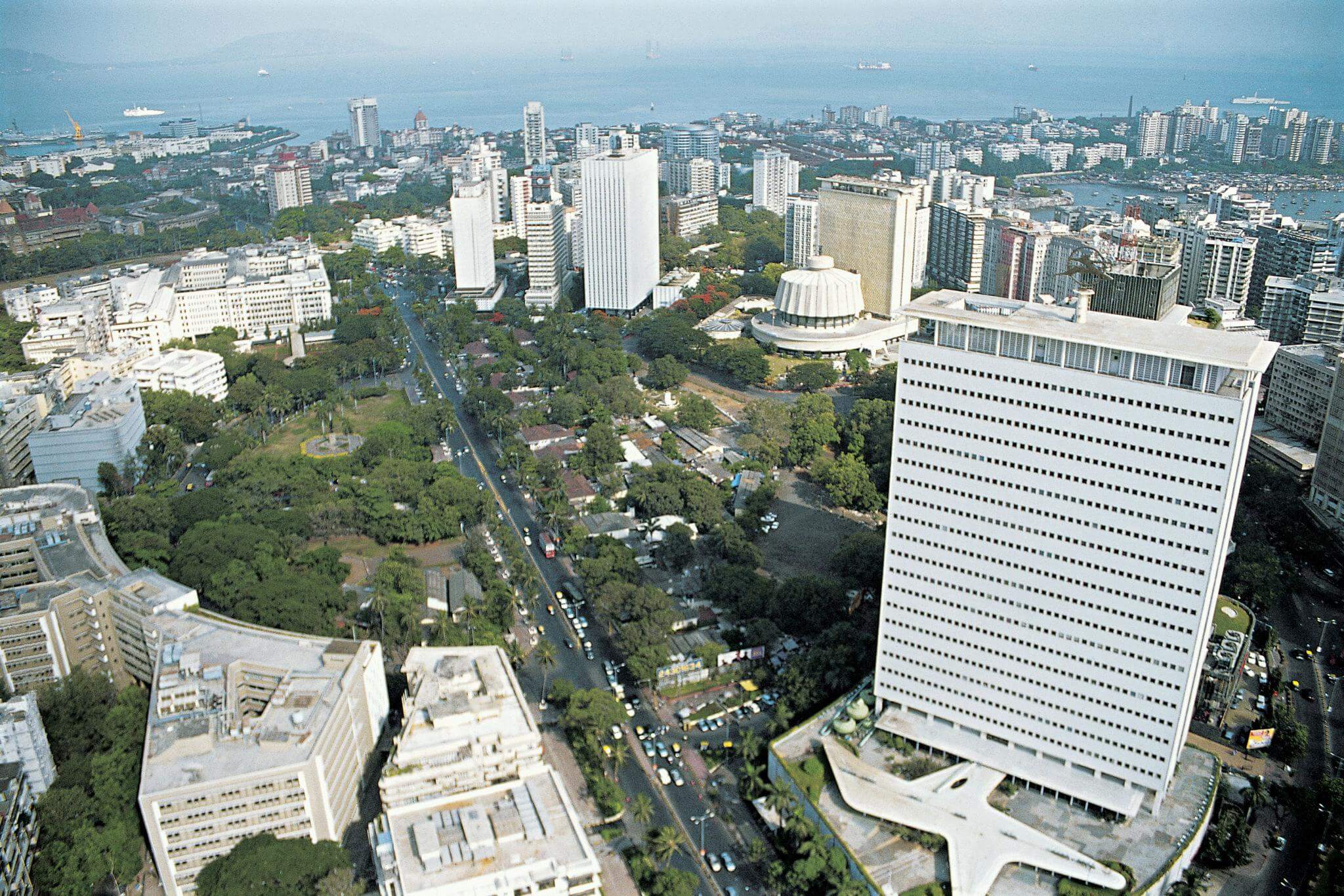
The Maharashtra government’s move to acquire the iconic Air India building is more than a routine real estate transaction—it reflects a calculated shift in how the state is planning its administrative future.
With ₹1,600 crore already transferred by the Finance Department to the Public Works Department, the process has clearly entered its final stage. The agreement is expected to be signed within two weeks, marking the near conclusion of a long-pending asset monetisation effort.
At the heart of this decision lies a practical challenge: space. The Mantralaya and its annexe have been operating under increasing pressure, particularly after the 2012 fire that forced several departments to function from scattered, rented premises across the city. This has not only led to operational inefficiencies but also sustained financial outflow on rentals.
The acquisition of the 23-storey, sea-facing structure near Nariman Point aims to address both concerns simultaneously. Once transferred, the government plans to renovate the building and make it operational within a year, consolidating multiple departments under one roof. The availability of around 46,470 square metres of office space in close proximity to the state secretariat is expected to significantly streamline administrative functioning.
The financial trajectory of the deal also reveals its complexity. While the Centre approved the sale for ₹1,601 crore in March 2024, the state cabinet’s clearance came much later in November 2025. Earlier negotiations had stalled, with initial expectations around ₹2,000 crore and competing bids from entities like the Jawaharlal Nehru Port Authority (JNPA) and the Life Insurance Corporation of India (LIC), both quoting lower amounts.
Momentum returned after the Eknath Shinde-led government took office, with the state revising its offer to ₹1,601 crore and waiving nearly ₹300 crore in dues related to unrealised income and interest on the leased land. This strategic adjustment appears to have unlocked the deal.
Historically, the building itself holds significance. Constructed in 1974 on reclaimed land leased by the state to Air India and designed by architect John Burgee, it remains a defining landmark in Mumbai’s financial district. Air India had initiated plans to monetise the asset in 2018 after relocating its headquarters to New Delhi.
Insight
This acquisition is not just about owning a landmark—it is about correcting a structural inefficiency in governance. For years, the state has been paying for decentralisation in the form of rent, delays, and fragmented decision-making. By consolidating operations into a single, strategically located asset, the government is effectively converting a recurring expense into a long-term institutional investment.
In a city where land economics dictate policy decisions, this move also sets a precedent: public administration can be strengthened not by expansion, but by smarter utilisation of existing prime assets. The real success, however, will depend on execution—timely renovation, efficient allocation of departments, and ensuring that the building does not become just another symbolic acquisition.
By Sana Khan
Executive Editor, Realty Quarter
Mumbai







Our Esteem Clients:



























































Channel Partner Associations:





















Our Partners:


















Our Supporters: