Trending now
MHADA Unlocks 120 Unsold Flats Under FCFS Sale Model
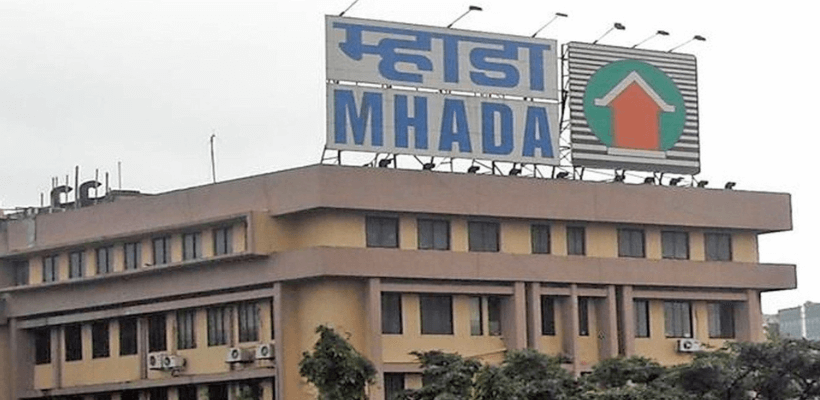
Mumbai’s housing story often revolves around demand outpacing supply, yet paradoxically, completed homes sometimes remain unoccupied due to procedural delays and allocation challenges. In a corrective move, the Mumbai Housing and Area Development Authority (MHADA) has announced the sale of 120 unsold flats across the city under a first-come-first-served (FCFS) model, aiming to place ready homes directly into the hands of buyers.
Registrations for the sale will open on February 5, 2026, at 11 am, followed by the commencement of online applications, fee payment, and flat selection from February 12, 2026, at 11 am, through MHADA’s official housing portal. Buyers confirming a unit will be required to deposit 10% of the flat’s price within 48 hours, after which a provisional offer letter will be issued online.
The available housing stock is spread across multiple Mumbai locations. Of the total inventory, 84 flats have been developed by the Mumbai Board in areas including Shimpoli and Charkop in Kandivali, Antop Hill–Wadala, Tunga–Powai, PMGP–Mankhurd, and Malvani in Malad. The remaining 36 flats, acquired under Development Control Regulations (DCR) 33(5) and 33(7), are located in well-established neighbourhoods such as Ghatkopar East, Kannamwar Nagar in Vikhroli, Byculla, Tardeo, Lower Parel, Sion, and JVPD in Andheri West.
Under MHADA’s payment structure, buyers must complete the remaining payment within 90 days, with a possible extension of another 90 days, subject to interest charges. For many middle-income home seekers, this timeline offers an opportunity, provided financial planning and loan arrangements are made in advance.
What makes this sale significant is the departure from lottery-based allocation, which has traditionally defined public housing access in Mumbai. While lotteries create anticipation, they often leave both buyers and completed homes waiting. The FCFS system introduces urgency and clarity, allowing serious buyers to secure ready homes without uncertainty.
From a market perspective, the move could help reduce vacant housing stock while improving MHADA’s liquidity position. Ready possession units in locations connected to employment hubs and transit corridors are likely to attract working professionals seeking immediate occupancy options. If smoothly executed, the model could influence how future public housing allocations are structured.
For buyers, however, speed must be balanced with caution. Documentation readiness, loan approvals, and location evaluation remain critical. A rushed decision in a competitive booking environment can lead to long-term compromises if basic due diligence is overlooked.
MHADA’s initiative ultimately reflects an attempt to align policy execution with market realities. Transforming vacant flats into occupied homes is not merely an administrative exercise; it impacts neighbourhood vitality, urban efficiency, and housing accessibility.
Whether this initiative becomes a turning point in public housing allocation will depend on how seamlessly the process unfolds in the coming weeks. For now, the window opens for prepared buyers and in a first-come-first-served system, readiness becomes the real advantage.
By Sana Khan
Executive Editor, Realty Quarter, Mumbai






Our Esteem Clients:



























































Channel Partner Associations:





















Our Partners:


















Our Supporters: