Trending now
India’s Urban Strategy 2026: Tier-Based Cities Redefine Growth and Investment Landscape
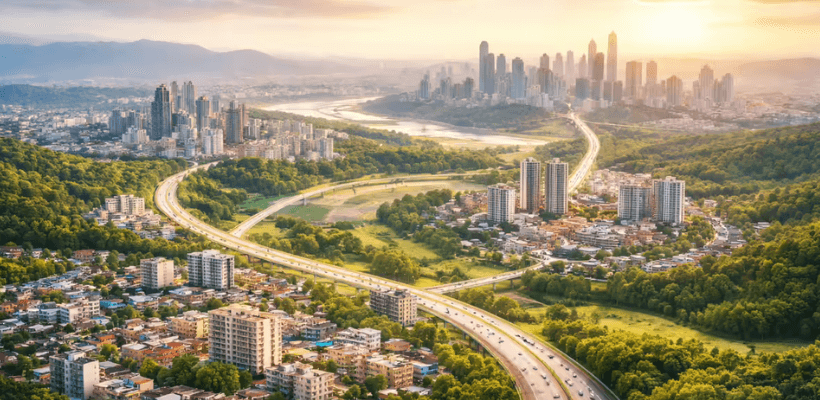
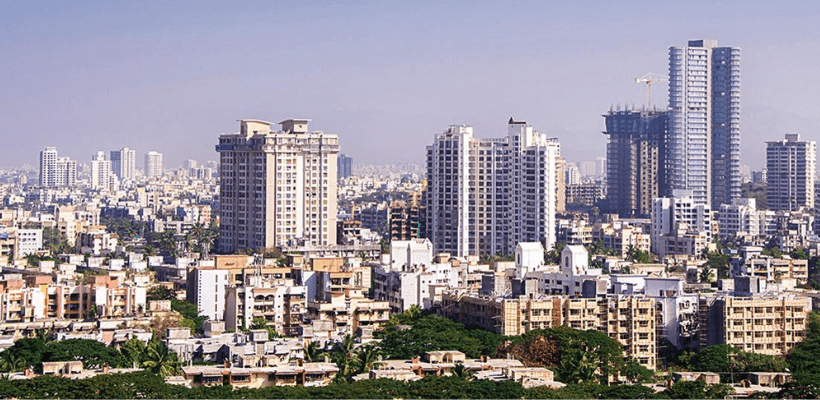
India’s urban future is no longer being written only in metros. A silent shift across emerging cities is steadily redrawing the country’s real estate and investment map, as growth spreads beyond traditional metropolitan strongholds.
India’s urban expansion is entering a decisive new phase. While metro cities continue to command economic influence, a deeper transformation is unfolding across emerging urban centres. Investment flows, housing demand, and infrastructure development are increasingly dispersing across regions, reshaping how growth is distributed nationwide.
City classification, once seen largely as an administrative framework, has now become an important reference point for investors, developers, and policymakers seeking to understand India’s evolving urban dynamics. Tier-based categorisation influences infrastructure funding priorities, housing demand patterns, corporate expansion decisions, and employment creation across cities.
Indian cities are broadly grouped into Tier 1, Tier 2, Tier 3, and Tier 4 categories based on factors such as population size, economic activity, infrastructure availability, and administrative relevance. Institutions including the Reserve Bank of India, along with frameworks such as the 7th Pay Commission, use these classifications to guide policy and economic structures.
At the top of the hierarchy, Tier 1 cities continue to serve as India’s economic anchors. Delhi, Mumbai, Bengaluru, Chennai, Kolkata, Hyderabad, Pune, and Ahmedabad remain the country’s most developed urban ecosystems, supported by global connectivity, established industries, and mature infrastructure.
Despite rising property prices and higher borrowing costs, real estate demand in these cities remains resilient. Luxury housing demand has witnessed strong momentum, particularly in Mumbai, Delhi NCR, and Chennai, while premium residential homes priced above ₹75 lakh continue attracting buyers. Another visible shift is the changing buyer profile, with younger professionals entering property markets earlier, broadening the homeowner base beyond traditional investors.
However, the next wave of urban expansion is becoming increasingly visible in Tier 2 cities. Centres such as Jaipur, Lucknow, Chandigarh, Surat, Kochi, Indore, Bhopal, Patna, Visakhapatnam, Raipur, Agra, Kanpur, Mysuru, Srinagar, and Jamshedpur are emerging as strong growth markets, combining affordability with improving infrastructure and employment opportunities.
Several Tier 2 cities have begun outperforming metros in price appreciation across select micro-markets, with some markets recording double-digit annual price growth compared to slower appreciation in saturated metro zones. Expanding metro rail systems, regional airport upgrades, industrial corridor projects, and IT park developments are boosting investor confidence. Lower entry costs and comparatively stronger rental yields are further encouraging investors to diversify beyond saturated metro regions.
Moving further down the urban hierarchy, Tier 3 cities are gradually transitioning from semi-urban zones into organised urban markets. Cities including Meerut, Udaipur, Madurai, Nashik, Vijayawada, Jhansi, Salem, Rohtak, Gandhinagar, Cuttack, Bikaner, and Rajahmundry are benefiting from industrial expansion, manufacturing investments, and education hubs. Affordable real estate pricing continues to attract both end-users and investors exploring new growth locations.
Tier 4 cities, though smaller in scale, are becoming increasingly relevant within decentralised development strategies. Towns such as Gangtok, Kapurthala, Banswara, Datia, Kalyani, Nagda, Kasganj, and Sujangarh are witnessing gradual improvements in housing, connectivity, and civic infrastructure as policy focus shifts toward regional and rural-urban integration.
India’s urban future is therefore no longer metro-centric. Infrastructure expansion, digital connectivity, and economic decentralisation are enabling smaller cities to emerge as competitive alternatives to congested metropolitan regions. Several of today’s emerging urban centres may well evolve into tomorrow’s economic powerhouses.
For developers, investors, and businesses, understanding city tiers is now critical to identifying where the next wave of urban growth will unfold. As India’s urban landscape continues to evolve, opportunities are increasingly being shaped not just by metros, but by the collective rise of cities across tiers driving the country’s next phase of expansion.
In the coming decade, the question for investors and developers will no longer be whether to look beyond metros, but how early they recognised the potential of India’s emerging cities.
By Sana Khan
Executive Editor, Realty Quarter
Mumbai





Our Esteem Clients:

















































Channel Partner Associations:

















Our Partners:
















Our Supporters: