
Trending now
Mumbai’s Old Buildings Become a Major Source of New Housing
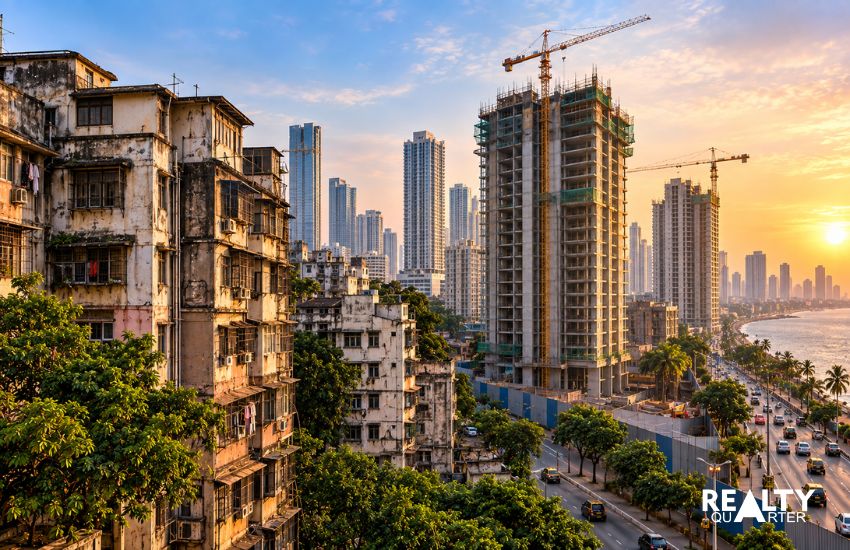
Mumbai: Mumbai’s future housing supply is increasingly tied to what already exists on the ground. As the city has little scope to keep expanding through large vacant plots, redevelopment of ageing buildings is becoming a major route for creating new residential space.
More than 1,000 redevelopment projects have been launched in Mumbai since 2020, highlighting how developers and property owners are increasingly turning towards existing buildings to unlock fresh housing capacity. (Source: JLL–NAREDCO)
The potential pipeline is substantial. About 13,500 cessed buildings require urgent replacement, providing a large base for redevelopment across established areas of the city.
Developers follow demand into established neighbourhoods
Redevelopment gives developers an opportunity to build in locations where infrastructure, transport connections, workplaces and social amenities are already in place. It also allows new residential stock to be created without requiring Mumbai to find large tracts of undeveloped land.
For residents, redevelopment can mean replacing ageing structures with modern buildings while retaining their connection to familiar neighbourhoods.
Redeveloped properties gain ground in the market
The changing supply pattern is also reflected in property transactions. Redeveloped housing represented around 15% of residential sales in 2025 and the first half of 2026, compared with 6% during 2016–21.
The increase suggests that redeveloped properties are becoming a much more significant component of Mumbai’s housing market. Developers are finding opportunities in existing properties, while buyers continue to seek homes in established parts of the city.
Societies increasingly consider self-redevelopment
Housing societies are also becoming more active in the redevelopment process. More than 1,600 self-redevelopment proposals have been recorded, indicating growing interest in projects where societies seek greater control over the rebuilding of their properties.
Such projects can give residents greater involvement in decisions over the redevelopment process, although funding, approvals, construction management and coordination among members can remain challenging.
A new housing model for a land-constrained city
Mumbai’s redevelopment story is ultimately a story about land. With limited opportunities for conventional expansion, the city’s existing buildings represent one of its largest sources of additional housing.
The growing number of projects, rising sales share and interest in self-redevelopment suggest that the next phase of Mumbai’s residential growth may come less from finding new land and more from rebuilding the city it already has.
Tags: #Mumbai real estate market, 1000 redevelopment projects Mumbai, 13500 cessed buildings, 15% residential sales redevelopment, 1600 self redevelopment proposals, ageing buildings Mumbai, cessed building redevelopment, established neighbourhoods Mumbai, housing society redevelopment, JLL NAREDCO Mumbai report, land constrained Mumbai, Mumbai housing supply, Mumbai property market, Mumbai redevelopment, Mumbai residential real estate, Mumbai Urban Development, new housing Mumbai, old buildings redevelopment, redeveloped housing Mumbai, Redevelopment opportunities Mumbai, redevelopment projects Mumbai, residential development Mumbai, self redevelopment Mumbai






Our Esteem Clients:

























































Channel Partner Associations:





















Our Partners:


















Our Supporters: