

Trending now
Vertical property cards may redefine flat ownership clarity
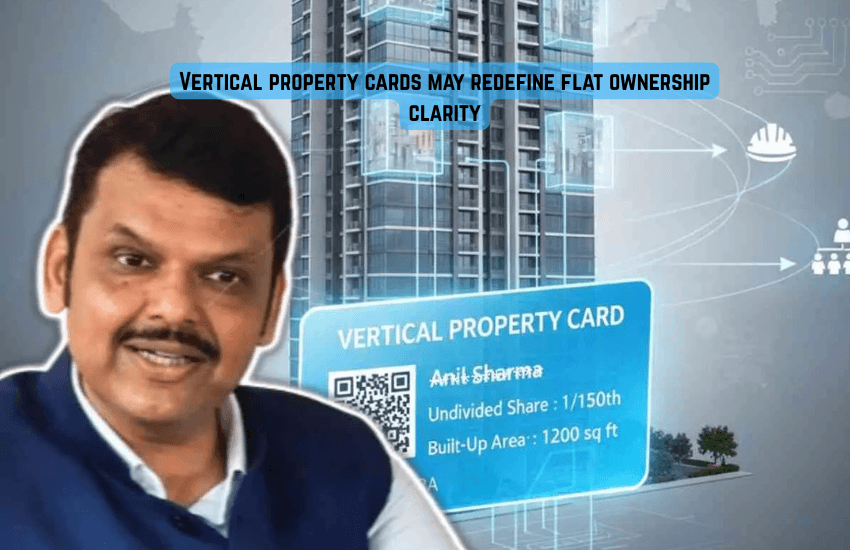
Maharashtra’s proposed “vertical property card” system could become one of the most significant reforms in urban real estate documentation in recent years. While land ownership in the state has traditionally been recorded through property cards and 7/12 extracts, apartment ownership inside multi-storey buildings has often lacked an independent and standardised government-backed record.
The revised proposal, now awaiting cabinet review, aims to bridge that long-standing gap by introducing a separate ownership identity for individual flats. If implemented, the system is expected to initially cover MahaRERA-registered and newly constructed projects before gradually extending to older housing societies.
Unlike conventional land records that primarily establish ownership of the plot, the proposed vertical property cards are expected to detail individual apartment ownership, carpet area, proportionate land share, and existing loans attached to the unit. Industry experts believe such documentation can improve transparency and reduce ambiguity during transactions, resale, inheritance, and financing processes.
What makes this proposal important is its potential impact on trust within the housing ecosystem. In cities witnessing continuous vertical expansion, especially Mumbai and Pune, buyers often rely on multiple documents to establish ownership legitimacy. A dedicated apartment-level property record could simplify verification for banks, financial institutions, legal advisors, and future buyers.
Officials associated with the proposal believe the move can help create cleaner title structures and reduce transactional risks. As one revenue official reportedly noted, “It will ensure cleaner property titles and make transactions significantly less risky.”
The proposal also clarifies that the existing property card or 7/12 extract will continue to remain the primary ownership record for the land itself, while the vertical property card would function as a supplementary ownership document for the individual unit.
Another major aspect of the policy is its likely role in reducing disputes related to ownership mapping in older buildings and redevelopment projects. With redevelopment activity accelerating across Maharashtra, especially in dense urban clusters, a standardised unit-level ownership framework could help improve documentation efficiency and strengthen due diligence processes.
Experts from the real estate sector have largely welcomed the move, calling it a long-awaited administrative reform. One industry expert observed, “This is a long-overdue move.” Another added, “Once implemented, it will lead to higher trust values, streamlined bank transactions for loans, and simplified inheritance processes.”
Insights
The proposed vertical property card system represents more than just a documentation reform — it reflects the changing reality of urban India, where ownership is increasingly moving upward rather than outward. As cities continue to expand vertically, traditional land-based records alone are no longer sufficient to address the complexities of apartment ownership.
If implemented effectively, this initiative could strengthen transparency, improve buyer confidence, simplify loan and inheritance procedures, and bring greater accountability to the real estate ecosystem. For Maharashtra, the reform has the potential to become a benchmark in modernising urban property governance and creating a more structured ownership framework for future developments.
By Sana khan
Executive Editor, Realty Quarter
Mumbai








Our Esteem Clients:


























































Channel Partner Associations:





















Our Partners:
















Our Supporters: