Trending now
Mega Metro and Tunnel Projects Set to Reshape Mumbai
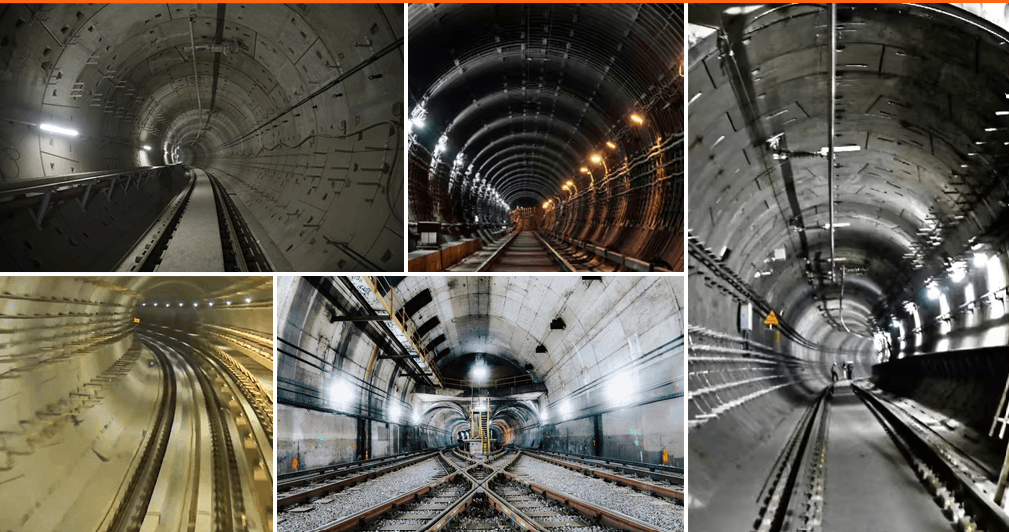
Mumbai stands at the threshold of another major infrastructure transformation. As the city continues to expand and mobility challenges grow, the Maharashtra government has outlined a series of ambitious projects aimed at strengthening connectivity and modernising the state’s transportation network.
In the Budget 2026–27, Chief Minister Devendra Fadnavis announced multiple initiatives focused on expanding metro corridors, constructing underground tunnels and building new expressways across Maharashtra. These projects reflect a broader vision to improve urban mobility and create a more integrated transportation system for the future.
One of the most significant announcements is the Rs 23,487-crore Metro Line 11, which will connect Wadala to the Gateway of India. The proposed corridor will be a fully underground metro line, designed to improve connectivity to South Mumbai while preserving the city’s already dense and congested surface infrastructure.
The government has also set a long-term target for transportation development. According to Fadnavis, Maharashtra aims to build 1,200 km of metro lines and over 6,000 km of expressways by 2047, creating an extensive network that will support both passenger mobility and economic growth.
Currently, work on a 490 km metro network across Mumbai, Pune and Nagpur has already been undertaken. Out of this, 173 km is operational, while another 50 km is expected to become operational in the coming year. Additionally, 165 km of metro lines are planned to be completed by 2029, further strengthening the state’s public transportation infrastructure.
Alongside metro expansion, several major road and tunnel projects are also progressing to address long-standing connectivity gaps within the Mumbai Metropolitan Region.
The first phase of the Goregaon–Mulund underground tunnel, designed to connect the eastern and western suburbs, is now nearing completion. Another key project, the Thane–Borivali underground tunnel, is scheduled to be completed by June 2028, which is expected to significantly reduce travel time between the two regions.
As part of an integrated transportation approach, the Bandra-Worli Sea Link will be connected to the bullet train station at the Bandra Kurla Complex, which will further link to the Chhatrapati Shivaji Maharaj International Airport. This connection is expected to enhance seamless movement between major transportation hubs in the city.
Infrastructure improvements are also being planned in the suburban belt. The government has proposed an underground tunnel of about 6 km and an elevated road of 9 km in Mira-Bhayander, aimed at easing congestion in one of the fastest-growing residential regions near Mumbai.
Another major project includes an elevated corridor connecting Atal Setu to the Mumbai-Pune Expressway, which is expected to be completed by February 2027 at a cost of Rs 1,102 crore.
Work is also underway on the Sewree–Worli elevated road, which will provide signal-free travel between Atal Setu, the Coastal Road and the Bandra-Worli Sea Link. The project is expected to be completed by September 2026, further improving east–west connectivity within the city.
Beyond Mumbai, the government has also proposed new infrastructure initiatives to strengthen connectivity across the state. An elevated road linking Thane to the Navi Mumbai International Airport has been approved, while the alignment process is currently underway for a greenfield expressway connecting Kalyan in Thane district to Latur.
The budget also highlighted the Navi Mumbai Metro 2 corridor from Taloja to Khandeshwar, a project costing Rs 5,575 crore, which is expected to improve public transport access in Navi Mumbai.
Additionally, the government informed that the construction of a launching shaft for the underground tunnel between Orange Gate, Eastern Freeway and Marine Drive has already been completed, and the project is targeted for completion by December 2028.
Taken together, these projects represent a significant step toward reshaping the mobility landscape of Mumbai and Maharashtra. As the city continues to grow, such investments in metro networks, tunnels and expressways will play a critical role in reducing congestion, improving connectivity and supporting long-term urban development.
By Sana Khan
Executive Editor
Realty Quarter
Mumbai






Our Esteem Clients:











































Channel Partner Associations:















Our Partners:















Our Supporters: