Trending now
Maharashtra’s Urban Transformation Blueprint
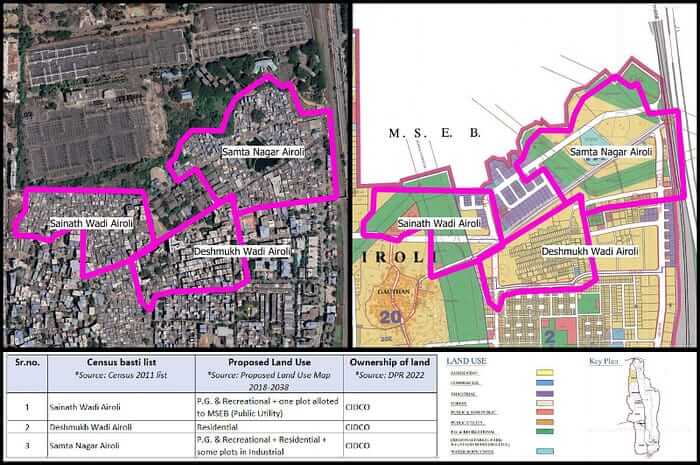
Maharashtra’s latest state budget outlines a long-term roadmap for urban transformation, signalling a shift from traditional city expansion towards a more technology-driven and regionally balanced development model. Rather than focusing only on infrastructure announcements, the vision reflects a broader strategy to reshape how cities will grow, function and contribute to the state’s economy in the coming decades.
The state has projected that 70 per cent of its population will live in urban areas by 2047, contributing nearly 80 per cent of Maharashtra’s GDP. This projection highlights the growing importance of cities as the economic backbone of the state.
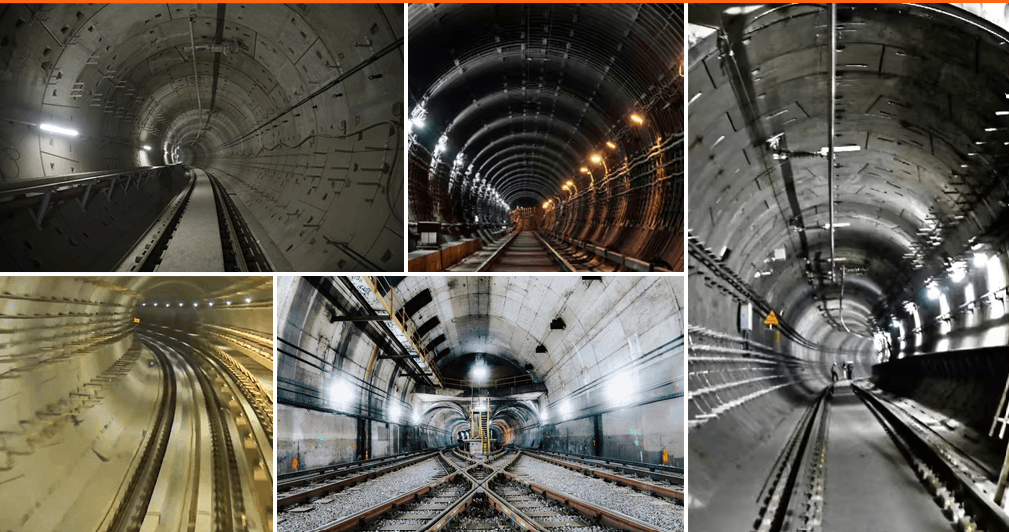
One of the key mobility goals is the expansion of the metro network to 1,200 km, while the expressway network is targeted to cross 6,000 km. Among the major infrastructure proposals is Metro Line 11 (Wadala to Gateway of India), a fully underground corridor estimated to cost Rs 23,487 crore.
To support this large-scale urban growth, the government has proposed a governance shift through the creation of empowered regional development authorities. These bodies will function with greater administrative and fiscal independence, drawing inspiration from models such as the Mumbai Metropolitan Region Development Authority (MMRDA). The move indicates a transition from centralized municipal control towards a more regional development framework.
Technology is also expected to play a defining role in city management. Following a successful pilot in the energy sector, the state plans to introduce AI-based “Digital Twins” for major cities. The system will enable real-time simulation and monitoring of urban services including traffic management, water supply and disaster response.
In addition, Artificial Intelligence and Machine Learning are proposed to be integrated into the Auto DCR (Development Control Regulations) system. This integration is expected to accelerate scrutiny of building plans and compliance checks, potentially reducing approval timelines and increasing transparency in the development process.
Housing remains a major focus area within the broader urbanisation plan. The government has set a long-term objective of creating 6 to 7 million affordable housing units by 2047, along with incentives for cluster redevelopment of ageing urban layouts.
Beyond the traditional urban centres of Mumbai, Pune and Nagpur, the state also plans to establish new development authorities for emerging regions including Nashik, Chhatrapati Sambhajinagar and the Solapur–Latur belt. These areas are expected to be developed as “City Economic Regions”, designed to function as growth engines rather than merely administrative zones.
Another significant proposal is the creation of more than 20 autonomous industrial and mixed-use townships with simplified land-use norms. The objective is to accelerate both housing and commercial development while promoting planned urban clusters.
The budget also outlines plans for a “Third Mumbai”, a 200 sq km urban zone connected to the Atal Setu, covering areas such as Kushmanda and Sai-Chirner. The development is expected to work in tandem with the Vadhavan Port project and the proposed Mumbai 4 corridor in the adjoining region. The Vadhavan Port alone is projected to generate more than 12 lakh jobs, indicating the scale of economic activity envisioned in the coastal belt.
In the housing segment, the government has introduced a “No New Slum Framework”, aimed at redeveloping 20 lakh slum tenements while creating 10 lakh affordable homes across the Mumbai Metropolitan Region.
Taken together, these initiatives reflect an ambitious attempt to redefine Maharashtra’s urban future. The success of this blueprint, however, will depend not only on policy announcements but on execution, coordination and sustained investment. If implemented effectively, the strategy could reshape the state’s urban landscape and position Maharashtra as one of India’s most integrated and economically dynamic urban regions by 2047.
By Sana Khan
Executive Editor, Realty Quarter




Our Esteem Clients:























Channel Partner Associations:















Our Partners:










Our Supporters: