

Trending now
500 Unsafe Buildings, One Clear Message: Accountability Has Arrived
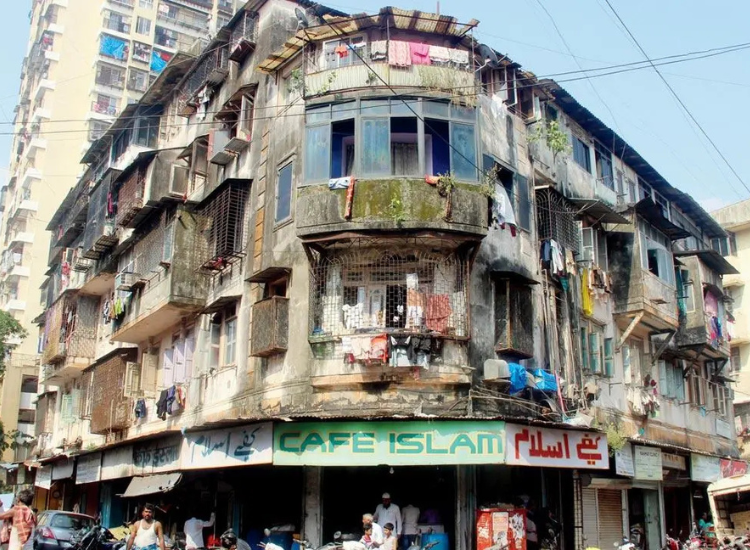
In a decisive move that shifts the conversation from negligence to accountability, the civic administration in Navi Mumbai has identified 500 buildings as unsafe, triggering immediate evacuation notices. The action follows a detailed, department-wise structural survey and aligns with directives issued by the high court—marking a stronger enforcement phase in urban safety governance.
The buildings have been classified under the dangerous category as defined in Section 264 of the Maharashtra Municipal Corporation Act. As per the findings, over 500 structures are currently deemed unfit for human habitation in their present condition, raising serious concerns around long-pending structural vulnerabilities in aging housing stock.
What stands out is not just the scale, but the regulatory clarity that accompanies it.
Under Section 265 (A) of the same Act, housing societies are mandated to conduct structural audits for buildings that are over 30 years old and still in use. These audits must be carried out by structural engineers registered with the civic body. Additionally, compliance timelines are clearly defined—structures between 15 and 30 years must undergo audits once every five years, while those exceeding 30 years require audits every three years, as per the Cooperative Housing Societies Act, 1968.
The administration has also tightened oversight on repair and renovation practices—an area often overlooked until incidents occur. It was observed that during internal renovation works, including flooring replacements and repairs to RCC columns and beams, structural failures had led to slab collapses in lower floors. This observation reinforces the need for regulated intervention rather than ad-hoc modifications.
To address this, permissions are now mandatory for both internal and external structural work under the Integrated Development Control and Promotion Rules and the Maharashtra Regional and Town Planning Act, 1966. Even in cases where permissions may not be required for internal alterations, supervision by a registered structural engineer remains compulsory.
The civic body has clearly stated:
“It is necessary to inform the society, and the concerned society would be required to do the work under the supervision of a registered structural engineer. If any accident occurred due to such work in the future, the concerned flat holder and the chairman or secretary of the society would also be held responsible”
This statement shifts liability directly onto stakeholders—societies, office bearers, and residents—bringing a sharper focus on shared responsibility rather than administrative dependency.
Insight
This is not merely an enforcement drive—it is a structural reset in how urban risk is defined and distributed. By combining legal mandate, technical validation, and personal accountability, the civic body has moved the responsibility of safety from paper compliance to on-ground action.
The real shift lies in ownership. When liability extends beyond institutions to individual stakeholders—flat owners, society committees, and decision-makers—compliance is no longer optional, it becomes consequential.
If implemented with consistency, this framework could move Indian cities from a cycle of post-incident reaction to a culture of preventive governance—where safety is not enforced after failure, but ensured before it.
By Sana Khan
Executive Editor, Realty Quarter
Mumbai
Tags: Building Evacuation Notice, Building Safety Regulations, Cooperative Housing Societies Act 1968, Maharashtra Municipal Corporation Act, Navi Mumbai Civic Action, Section 264 Dangerous Buildings, Section 265(A) Structural Audit, Structural Audit Compliance, Unsafe Buildings India, Urban Infrastructure Safety








Our Esteem Clients:



























































Channel Partner Associations:





















Our Partners:


















Our Supporters: