

Trending now
BMC Tree Panel to Review 3,169 Trees Linked to Mumbai’s Mega Projects
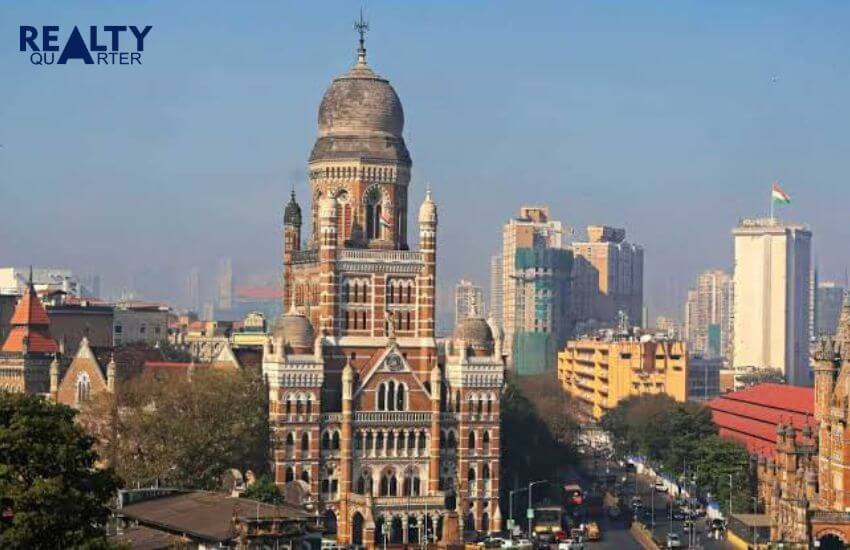
As Mumbai accelerates its infrastructure and redevelopment agenda, environmental concerns are once again taking centre stage. The city’s Tree Authority is set to examine applications involving 3,169 trees connected to some of Mumbai’s largest redevelopment and infrastructure projects. The meeting will determine whether permission should be granted to fell 1,777 trees and transplant 1,392 trees, making it one of the most significant environmental reviews linked to the city’s ongoing urban transformation.
Dharavi Redevelopment Takes Centre Stage
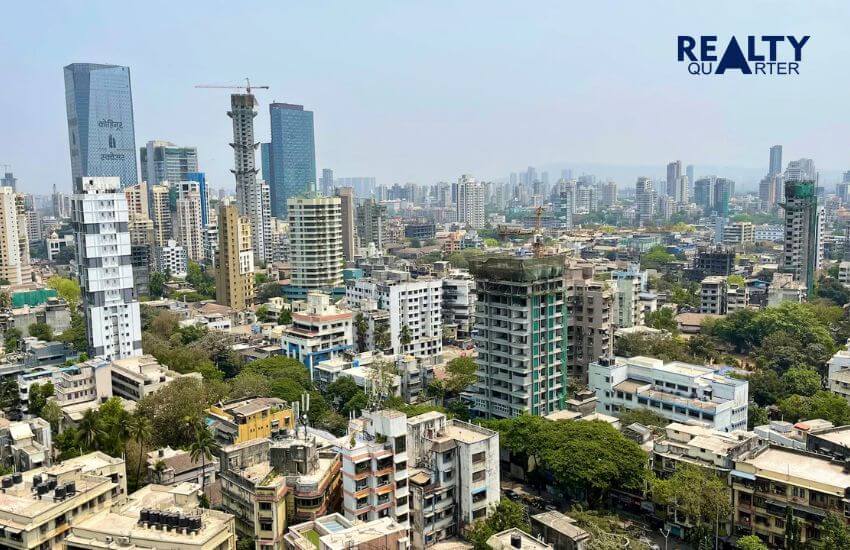
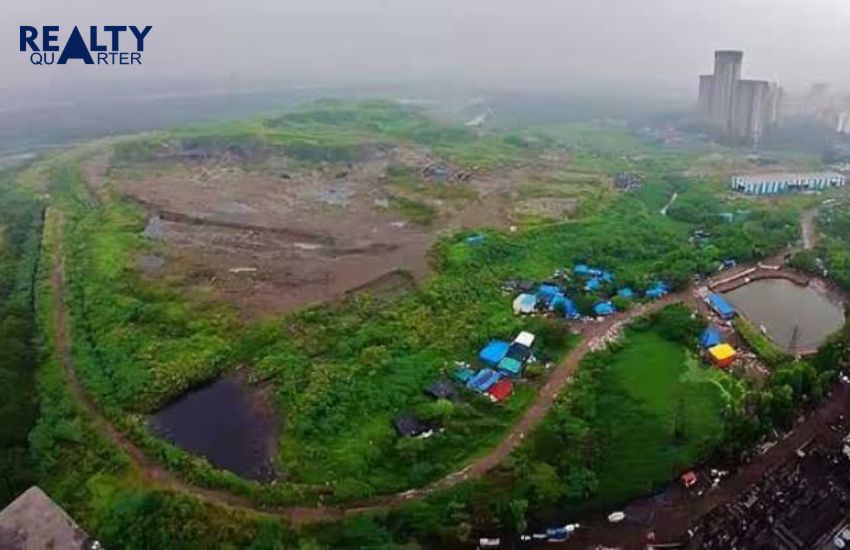
The largest application before the authority relates to the Dharavi Redevelopment Project (DRP). Navbharat Mega Developers Pvt. Ltd. has sought clearance to undertake work affecting 1,693 trees for the construction of rehabilitation buildings on Sub Plot-B within Dharavi’s notified area.
A site inspection conducted in May identified 2,006 trees, of which 1,693 are expected to be impacted by the planned construction. The developer has requested permission to cut 871 trees, including seven that have already fallen, while 822 trees are to be transplanted. The remaining trees will continue to be preserved.
Heritage Trees and Compensatory Plantation
Among the trees identified for removal, 24 are estimated to be between 50 and 85 years old. The submission also identifies 25 heritage trees, with approval sought to cut 24 and transplant one.
To offset the environmental impact, the developer has committed to planting 22,904 indigenous trees within 15 days of receiving permission. Each sapling will be at least 6 feet tall and planted across 90 acres at Chahade village in Palghar district. A No-Objection Certificate (NOC) from the landowner has already been submitted.
Across the entire Dharavi Redevelopment Project, nearly 8,000 trees are expected to be impacted. In response, the developer has undertaken to plant around 30,000 additional trees within available open spaces in the project area and maintain the compensatory plantation for seven years.
Orange Gate–Marine Drive Tunnel Plan
The Tree Authority will also review a request linked to the Orange Gate–Marine Drive underground road tunnel, which will connect the Eastern Freeway with the Mumbai Coastal Road.
Larsen & Toubro has sought approval involving 66 trees under the revised alignment. The development plan includes permission to cut three trees and transplant 63, while 18 trees at the location will remain untouched. During a joint inspection, BMC officials recorded 84 trees, although only 66 fall within the project’s footprint.
IIT Bombay Housing Development
Another application concerns the construction of residential buildings within the IIT Bombay campus in Powai.
The institute has sought permission concerning 160 trees, including approval to fell 49 trees and transplant 111. Another 99 trees at the site will remain undisturbed, while officials also recorded one tree that had naturally fallen before the inspection.
Ghatkopar SRA Layout Revised
The authority will also examine a submission related to a Slum Rehabilitation Authority (SRA) project in Ghatkopar (East) being developed by Ratan Builders for three cooperative housing societies.
Following directions from the BMC to minimise tree loss, the developer revised the project layout. The updated request seeks permission to cut 18 trees and transplant 15, while 11 trees will be retained. Officials noted that an earlier application involved a higher number of trees, but the revised design significantly reduced the impact on existing green cover.
Balancing Development and Environment
The applications come at a time when major infrastructure projects are facing growing public scrutiny over their environmental impact. Under the Maharashtra (Urban Areas) Protection and Preservation of Trees Act, the Tree Authority is required to determine whether tree removal is unavoidable and whether adequate efforts have been made to preserve or transplant existing trees before granting approval.
The outcome of the meeting could influence how future redevelopment projects strike a balance between urban expansion and environmental conservation. As Mumbai continues its rapid transformation, the authority’s decision is expected to shape the city’s approach towards sustainable infrastructure and responsible redevelopment.
Closing Insight
As Mumbai pursues ambitious redevelopment and infrastructure goals, the challenge extends beyond securing approvals for construction. The real test lies in ensuring that urban growth is complemented by meaningful environmental safeguards, making sustainable development a defining factor in the city’s future transformation.
By Sana Khan
Executive Editor,
Realty Quarter
Mumbai







Our Esteem Clients:
























































Channel Partner Associations:




















Our Partners:

















Our Supporters: