
Trending now
MHADA’s Section 79A Revival: A Critical Step Towards Safer Housing
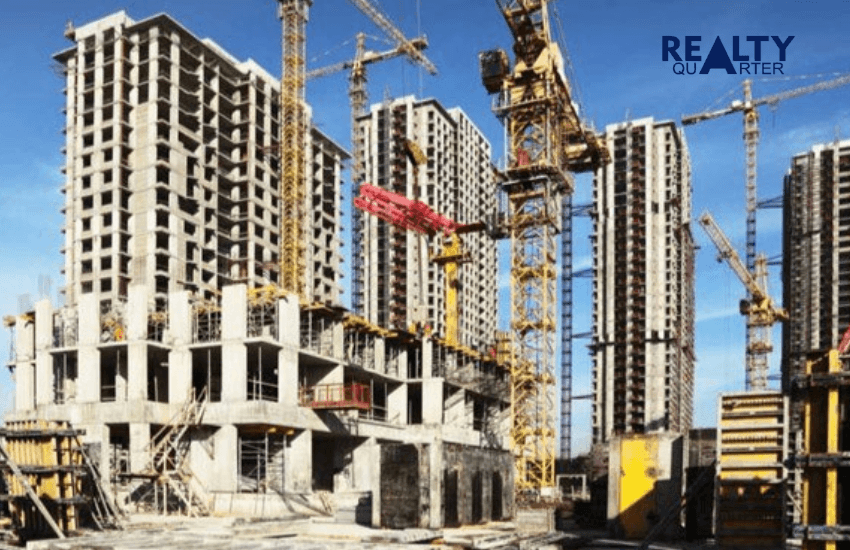
Mumbai’s redevelopment landscape could witness a major transformation after the Maharashtra Legislature approved amendments to the Maharashtra Housing and Area Development Authority (MHADA) Act, reviving the implementation of Section 79A. Having received approval from both Houses of the State Legislature, the amendment now awaits the Governor’s assent.
The move is significant because it seeks to remove the legal hurdles that had delayed redevelopment projects across the city. More importantly, it aims to bring clarity to the authority responsible for implementing one of Mumbai’s most important redevelopment mechanisms.
Addressing the Legal Challenge
Nearly a year ago, the Bombay High Court stayed the implementation of Section 79A after raising concerns over the powers of the “competent authority” mentioned in the law. The latest amendment seeks to resolve this issue by empowering designated MHADA officers to exercise those powers.
As a result of the legal dispute, around 935 notices issued under Section 79A were put on hold. The State Government believes that the amendment will strengthen its case before the Supreme Court, where the constitutional validity of Sections 79A and 79B is currently under consideration.
Relief for Thousands of Residents
Mumbai has more than 13,000 cessed buildings, many of which were built before 1940 and continue to house lakhs of residents. Redevelopment of these ageing structures has remained stalled for years due to legal disputes, landlord-tenant conflicts and procedural delays.
The revival of Section 79A is expected to accelerate the redevelopment process and provide relief to residents living in unsafe buildings.
Why Sections 79A and 79B Were Introduced
Sections 79A and 79B were introduced in 2020 following several tragic building collapses in Mumbai. These included the Husaini Building collapse in 2017, which claimed 33 lives, the Dongri collapse in 2019 that killed 14 people and the Fort building collapse in 2020 in which 10 people lost their lives.
The provisions empower MHADA to step in when landlords fail to redevelop dangerous buildings. They also allow tenants to undertake redevelopment themselves, provided at least 51 per cent of occupants agree.
The objective of these provisions is to ensure that redevelopment is not indefinitely delayed and that residents can live in safer homes.
The Numbers Behind the Crisis
The urgency of redevelopment is reflected in official data. RTI information obtained by activist Jeetendra Ghadge shows that Mumbai recorded 345 incidents of complete or partial building collapses between 2021 and August 2025, leading to eight deaths and 28 injuries.
According to MHADA records, 815 people lost their lives in building collapses between 1970 and 2018, highlighting the long-term risks posed by ageing structures.
Welcoming the amendment, Ghadge, founder of The Young Whistleblowers Foundation, said that a “life-saving” provision should not have been stalled over technical issues concerning the identity of the competent authority.
He also pointed out that litigation related to the 100-month rent scheme has remained pending before the Supreme Court for nearly 25 years.
Closing Insights
The revival of Section 79A is more than a legal amendment; it is an important step towards resolving one of Mumbai’s oldest redevelopment challenges. Thousands of families continue to live in ageing and unsafe buildings, waiting for redevelopment projects that have been delayed for years.
Although the amendment has renewed hopes, its implementation will depend on the Supreme Court’s final decision on Sections 79A and 79B. If approved, the law could speed up redevelopment, improve safety standards and provide better housing for lakhs of residents.
For Mumbai, where redevelopment is closely linked to public safety and urban growth, the amendment represents a significant step towards building a safer and more sustainable future.
By Sana Khan
Executive Editor,
Realty Quarter, Mumbai







Our Esteem Clients:

























































Channel Partner Associations:



















Our Partners:

















Our Supporters: